The Queens of Hastinapur
Price: [price_with_discount]
(as of [price_update_date] - Details)

[ad_1]
From the Publisher

Q and A with Sharath Komarraju
Q. What does the term 'silences of the Mahabharata' mean?
Sharath: It means the stories that you don't read in the original canon. Examples are Kunti's early youth before she meets Karna, the kind of life Gandhari lived before she married into the Kuru house, the events that surround the return of Devavrata from Heaven to Earth etc. In The Queens of Hastinapur, the inside story of Krishna's birth is told - how he came to be Devaki's son while remaining an avatar of Vishnu.
Q. Would it be right in saying, then, that the Hastinapur books expand the epic as we know it rather than just retell it?
Sharath: With due modesty, yes.
Q. What can I expect from this book as a reader?
Sharath: Velvety writing, crisp plotting, life-like characters, and a sense of ‘might it have happened this way?’
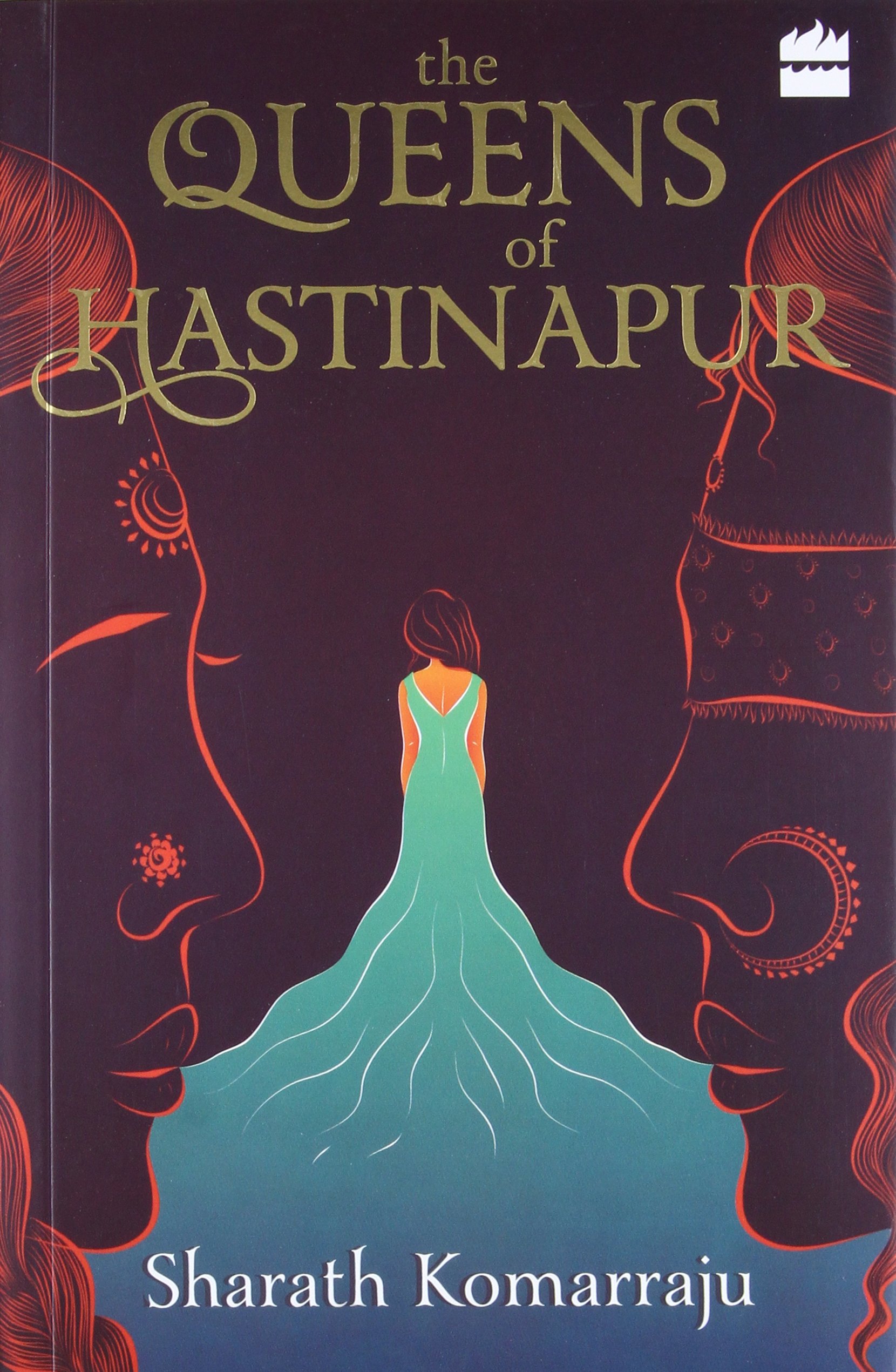
Q. Why are there women on all three covers?
Sharath: Some of the great silences of the Mahabharata arise in the inner lives of its various women. I’m not talking about just Kunti and Draupadi, but those we generally think of as insignificant. Ganga, Satyavati, Gandhari, Amba and Bhanumati are good examples. It’s interesting to view what is a tale of ‘male themes’ – property, war, women – from a softer, feminine prism that features love, motherhood, tenderness, patience and stoicism.
Q. Is it a feminist angle to the epic?
Sharath: I prefer the word ‘feminine’. Some of the women I write about are feminists, some are not. They all have individual personalities.
Q. Do I need to read the books in sequence?
Sharath: No. Each book stands on its own as a separate novel. You might miss a small number of inside references to Books 1 and 2, but these constitute less than 5% of the book. Nothing major.
[ad_2]


Comments
Post a Comment